Trees
Cottonwood stumps: why they resprout and how to stop it
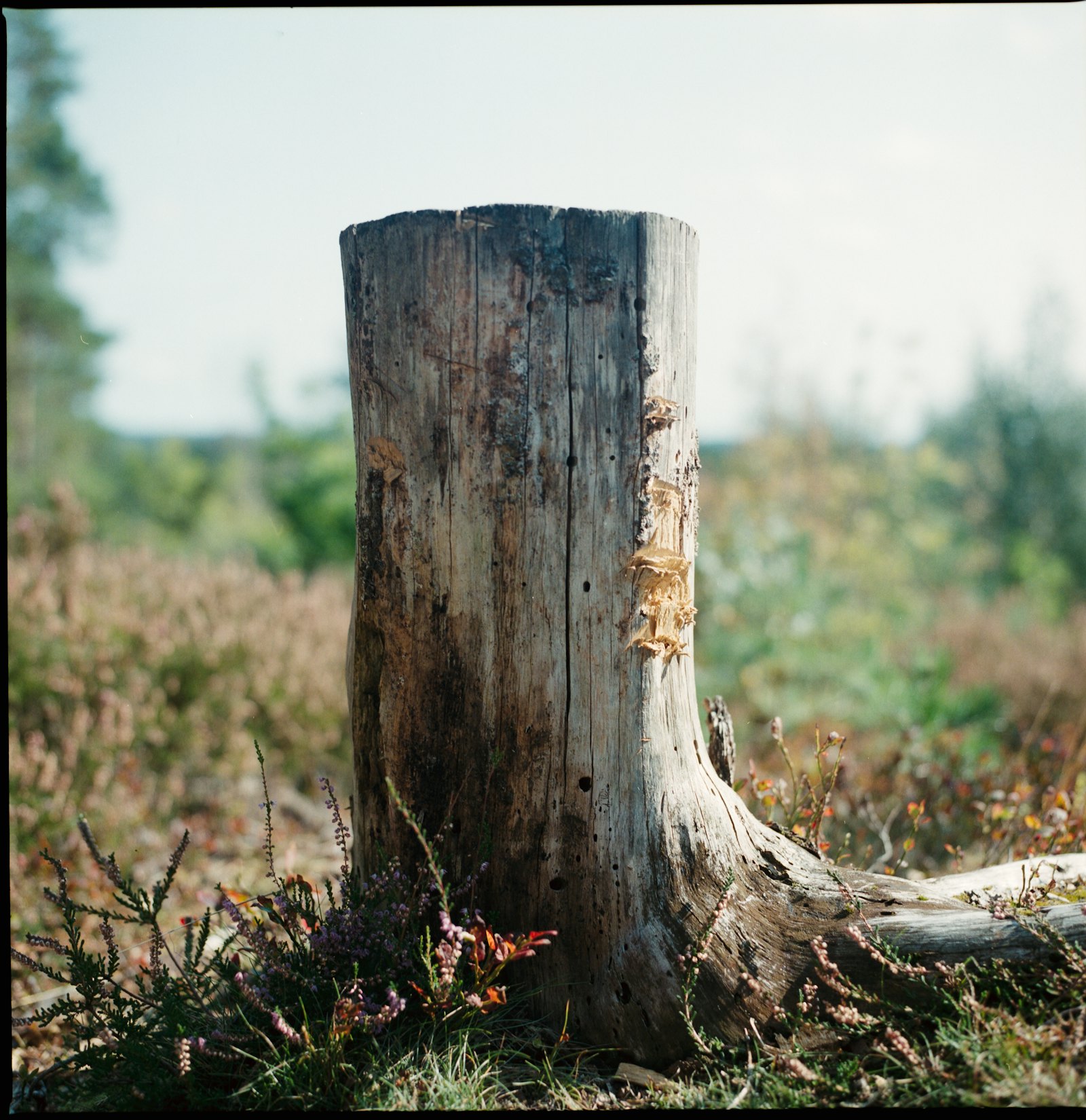
Illustrative photo.
Cottonwoods, poplars and aspens store energy in a wide, shallow root system that can sprout new shoots on its own after the trunk is gone. Grinding the stump removes the main sprouting point, grinding the surface roots removes most of the rest, and mowing or clipping any shoots that still appear starves the remaining roots until they give up — usually within a season or two.
Cottonwoods are everywhere along the Wasatch Front. They grow fast, shade big yards and line ditches and old farm properties from North Salt Lake to Kaysville. They're also famous for not staying gone: cut one down and you can have a crop of green shoots popping up across the lawn the next spring.
Why cottonwoods send up suckers
Most trees die back once the trunk is cut. Cottonwoods and their relatives in the poplar family are different. Their roots spread wide and shallow and can grow new shoots, called suckers or root sprouts, from buds along the root itself. When the trunk is removed, the tree loses its leaves but not the energy stored underground — so the roots push up new growth to try to replace them.
The same thing happens with other trees common in Davis County yards:
- Lombardy poplar
- Quaking aspen
- Russian olive
- Siberian elm (sprouts from the stump and from seed)
- Tree of heaven
What stump grinding does — and doesn't — do
Grinding takes the stump and root flare down 6–8 inches below grade (or 10–18 inches with a deep grind). That removes the biggest cluster of buds and the main food store at the base of the tree, which cuts down sprouting a lot.
What grinding can't do is reach every root. A large cottonwood's roots can run well beyond the edge of the canopy, and any living root still has energy to send up a shoot. That's why some suckering after grinding is normal. It doesn't mean the job wasn't done properly.
How to stop the shoots
1. Grind the stump
Start here. Without the stump, the sprouting is spread thin across the root system instead of concentrated in one vigorous clump.
2. Grind the surface roots
If you can see roots running across the lawn, have them ground out too. Our root grinding is $12 per linear foot, and removing those roots takes away the part of the system most likely to sprout into your grass.
3. Mow or clip every shoot, every time
This is the step that finishes the job. Each shoot is the root's attempt to grow leaves and refill its energy. If you mow or clip shoots as soon as they appear, the roots keep spending energy without getting any back. Keep at it through the growing season and the sprouts slow down and stop.
Don't dig or chop at the roots to get rid of shoots. Wounding roots can actually trigger more sprouting.
What about herbicide? Some people treat a freshly cut stump with a herbicide to kill the roots. If you go that route, use a product labeled for cut-stump treatment and follow the label exactly, or hire a licensed applicator. Be careful near other cottonwoods or aspens: trees of the same kind can share connected root systems, so a chemical applied to one stump can affect its neighbors.
How long does it take?
It depends on how big the tree was and how much root was left. Most yards see the heaviest sprouting in the first spring after removal and a sharp drop by the second. Very large, old cottonwoods with roots spread across a big lot can take longer.
Don't forget the lines
Cottonwood roots are notorious for growing toward water — sprinkler lines, secondary-water lines and old drain pipes. Before we grind roots, we request a Utah 811 locate and flag private lines with you, because those roots are often wrapped around exactly the pipes you want to keep.
Have a cottonwood stump that won't quit?
Text a photo of the stump and any roots or shoots to 801-903-2895. We'll quote the grind and the roots separately so you can choose.