Aftercare
What to do after stump grinding: sod, seed or replanting
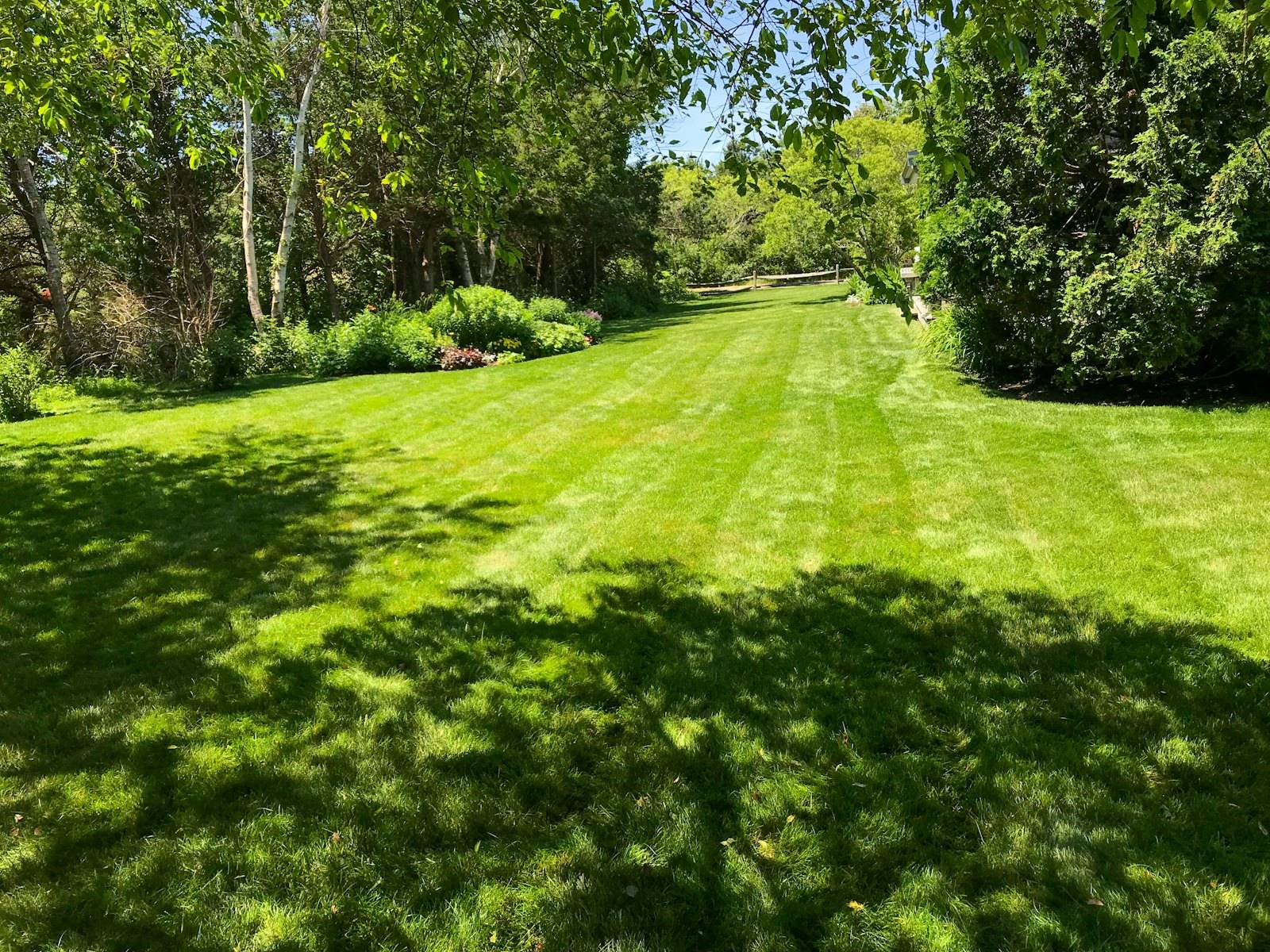
Illustrative photo.
Rake out most of the wood chips, fill the hole with good topsoil a little above the surrounding grade, water it so it settles, top it up, then lay sod or seed. If you want a new tree, plant it a few feet away from the old stump, or have the stump ground deeper first.
Once the grinder leaves, you're looking at a shallow hole full of wood chips where the stump used to be. What you do next decides whether that spot turns into healthy lawn or a sunken, patchy circle you notice every time you mow. Here's what works in Wasatch Front yards.
Step 1: Decide what to do with the chips
Stump grinding makes a surprising amount of chips — a big stump can fill a pickup bed. You have three options:
- Use them as mulch. Spread them 2–3 inches deep around trees, shrubs and garden beds. Keep them a few inches away from trunks and siding.
- Leave them in the hole. Fine if you're planting a bed or covering the spot with mulch, but not ideal under new grass (see below).
- Have them hauled away. We charge $50 for a small load, $75 for half a pickup and $100–$150 for a full pickup load.
Why not grow grass on the chips? As fresh wood breaks down, the microbes doing the work pull nitrogen out of the soil around them. Grass planted straight onto a pile of chips often turns yellow and thin. Raking most of them out and replacing them with topsoil avoids that.
Step 2: Fill the hole with topsoil
- Rake out as many chips as you can, down to the soil.
- Fill the hole with screened topsoil, or a topsoil–compost blend. Mound it an inch or two above the surrounding lawn, because it will settle.
- Water it thoroughly to help it settle, then wait a few days.
- Top up any low spots and rake it level with the lawn.
Prefer to skip this step? We can do a basic topsoil fill for $35–$50 per stump, or $50–$100+ for large stumps.
Step 3: Sod or seed
Laying sod
Sod is the fastest way to make the spot disappear. Cut a piece slightly bigger than the patch, lay it so it meets the existing grass tightly, press it down and water it every day for the first couple of weeks until it roots. Along the Wasatch Front, spring and early fall are the easiest times to get sod established; midsummer works too if you keep up with watering.
Seeding
For seed, rough up the topsoil, spread a seed mix that matches your lawn, rake it in lightly and keep it damp until it's established. Expect it to take longer to blend in than sod. We can seed the spot for you for $25–$50.
Step 4: Watch for settling
The roots we leave below the grind depth rot slowly over the next few years. As they break down, the spot can sink a little. If a dip appears, add a thin layer of topsoil over the grass in spring and let the grass grow up through it.
Replanting a tree
Planting a new tree in exactly the same hole is the hardest option: the old roots and chips leave poor, uneven soil. You'll get a healthier tree if you:
- Move it a few feet to one side of the old stump, into undisturbed soil.
- Or ask for a deep grind before you plant — 10–12 inches (+$50) or 12–18 inches (+$100) — then pull out the chips and fill the hole with good soil.
Building over the spot
For pavers, a patio or a shed pad, have the stump ground below the depth of your base material, remove all the chips and compact gravel in layers. Wood left under a hard surface will rot and settle. For anything structural, like a footing, ask your contractor whether the root ball needs to be dug out completely; our grinding vs. removal guide explains the difference.
Shoots coming up?
Some trees — cottonwood, poplar, aspen and Russian olive in particular — send up new shoots from the roots after the stump is gone. That doesn't mean the grind failed. Our guide to cottonwood stumps and root suckers covers what to do.
Want the stump gone and the spot ready to grow?
Text a photo to 801-903-2895. We can grind it, haul the chips and fill the hole in one visit — anywhere in Bountiful and South Davis County.